FALALA
Self-initiated 30 day AI project. Designing and building a mental wellness app using AI tools to explore end-to-end product development. 👩🏻🔬
About
It's an on-going project I started in 2026. I challenged myself to a 30-day project: How much of a mobile app could I design, build, and document using AI tools?
The goal wasn't just to create an app, but to push my technical boundaries and explore AI-assisted development workflows.
FALALA is a daily self-compassion journaling app designed to help users practice self-kindness.
Based on therapeutic practices, it encourages users to log one compliment for themselves each day, training mental attention to extend the same fairness to themselves that they naturally give others.
The Experiment
Working solo across design, development, and documentation, I explored:
How AI tools (ChatGPT, Claude Code, Lovable, Figma Make) could accelerate learning new technical skills
Building a React Native mobile app from scratch with limited prior mobile development experience
Balancing thoughtful UX decisions with rapid prototyping constraints
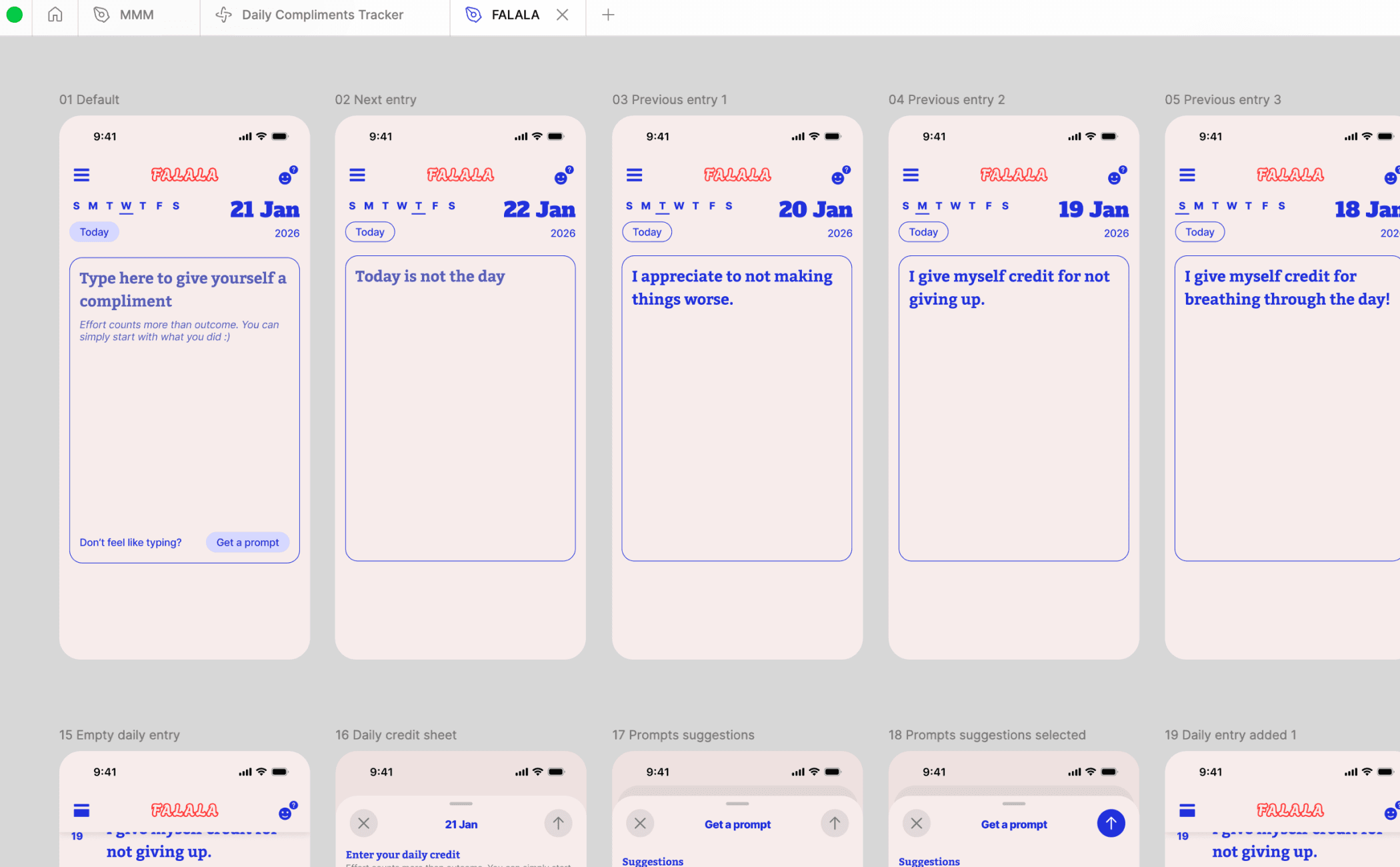
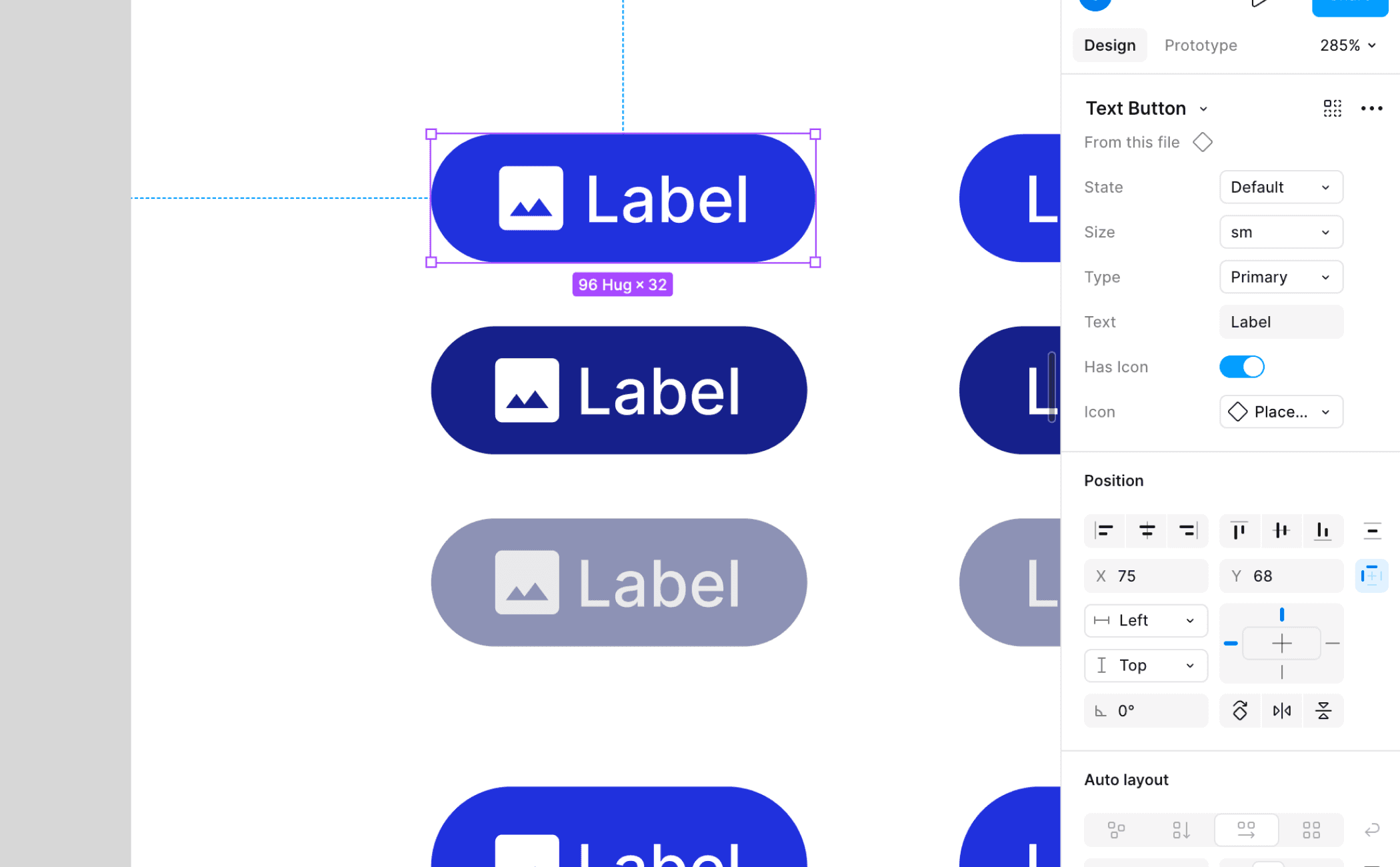
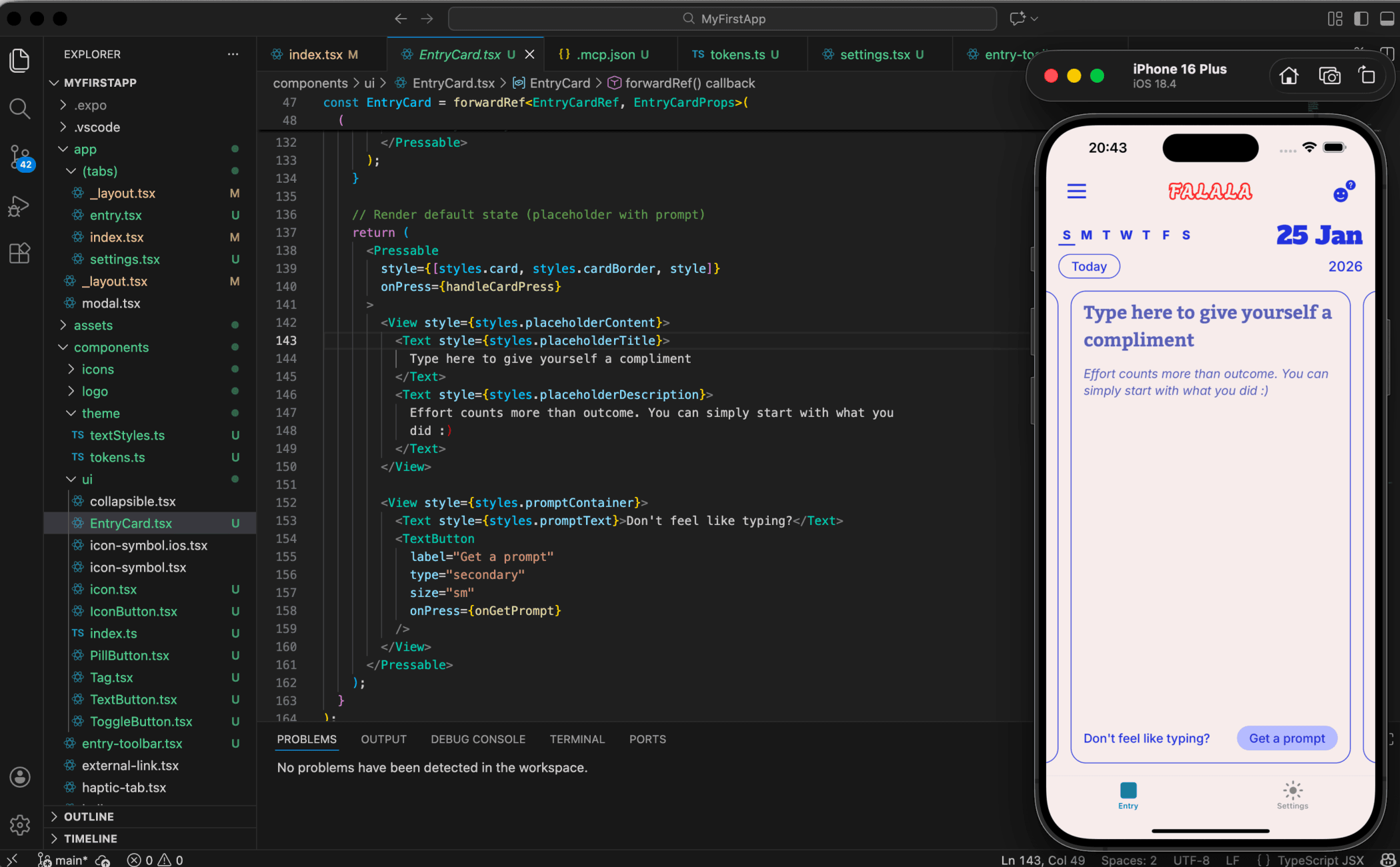
From research, design, setting up component library, to setting up dev. environment on VS Code..and more to experiment.
Week 2 - building features in dev environment
Loading animation
Building emotional connection to make users feel welcomed rather than rushed, reinforcing the self-care mindset.
Swipe navigation and quick return to today
Prioritising present moment. Past reflection is useful, but daily practice matters most.
AI-Powered prompt suggestions
Lowering the barrier and to build the habit without the pressure of starting from a blank page.
Adaptive text input
Users should need less than 2-minute for daily entries, but keeping in mind to design for the norm without penalising the edge case.
Week 3 - Basic features done: More visual refinement & QA
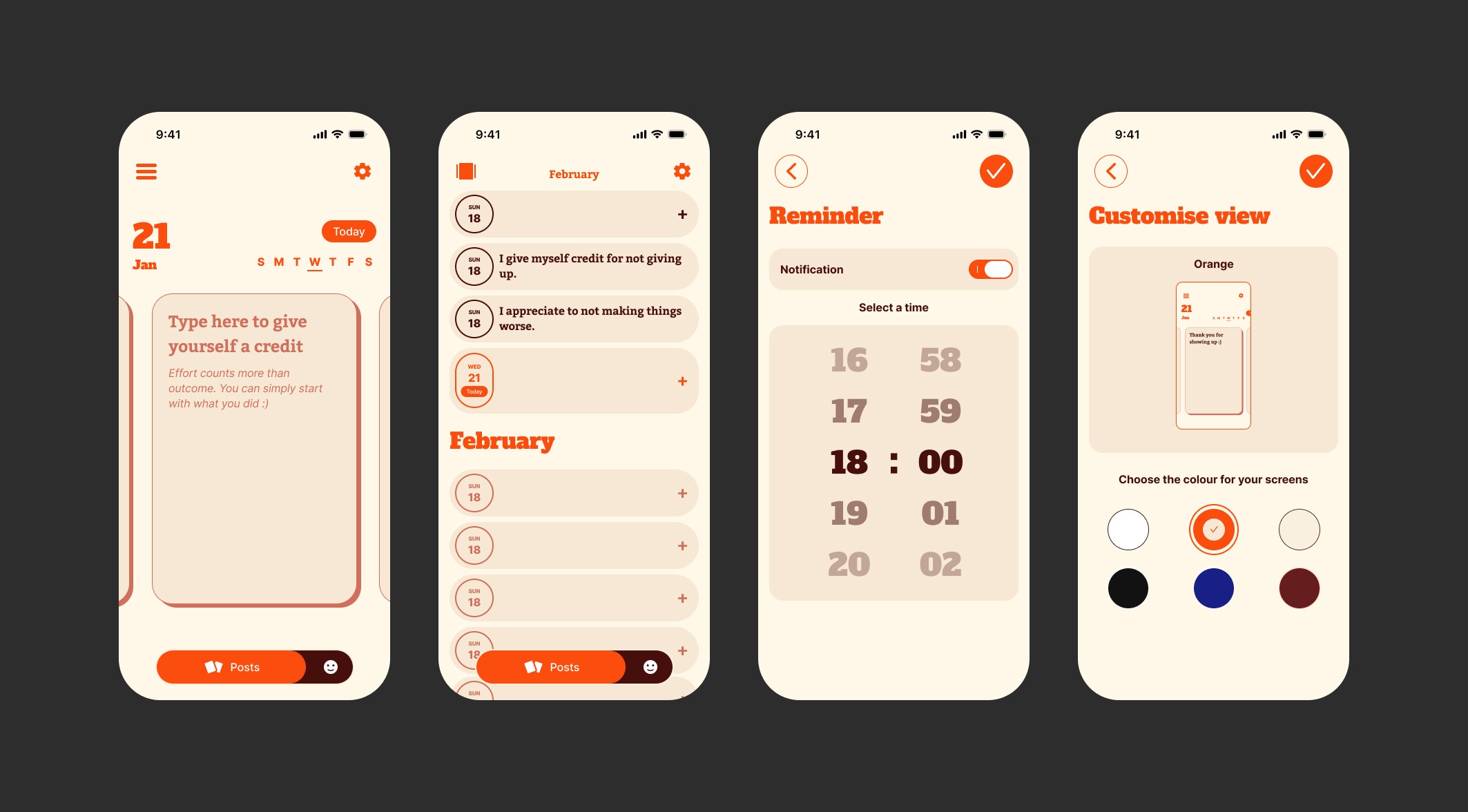
(From left to right) Card view, list view, notification setting, customisation
Week 4 - Preparation for App Store Submission & plan for quantitative tracking
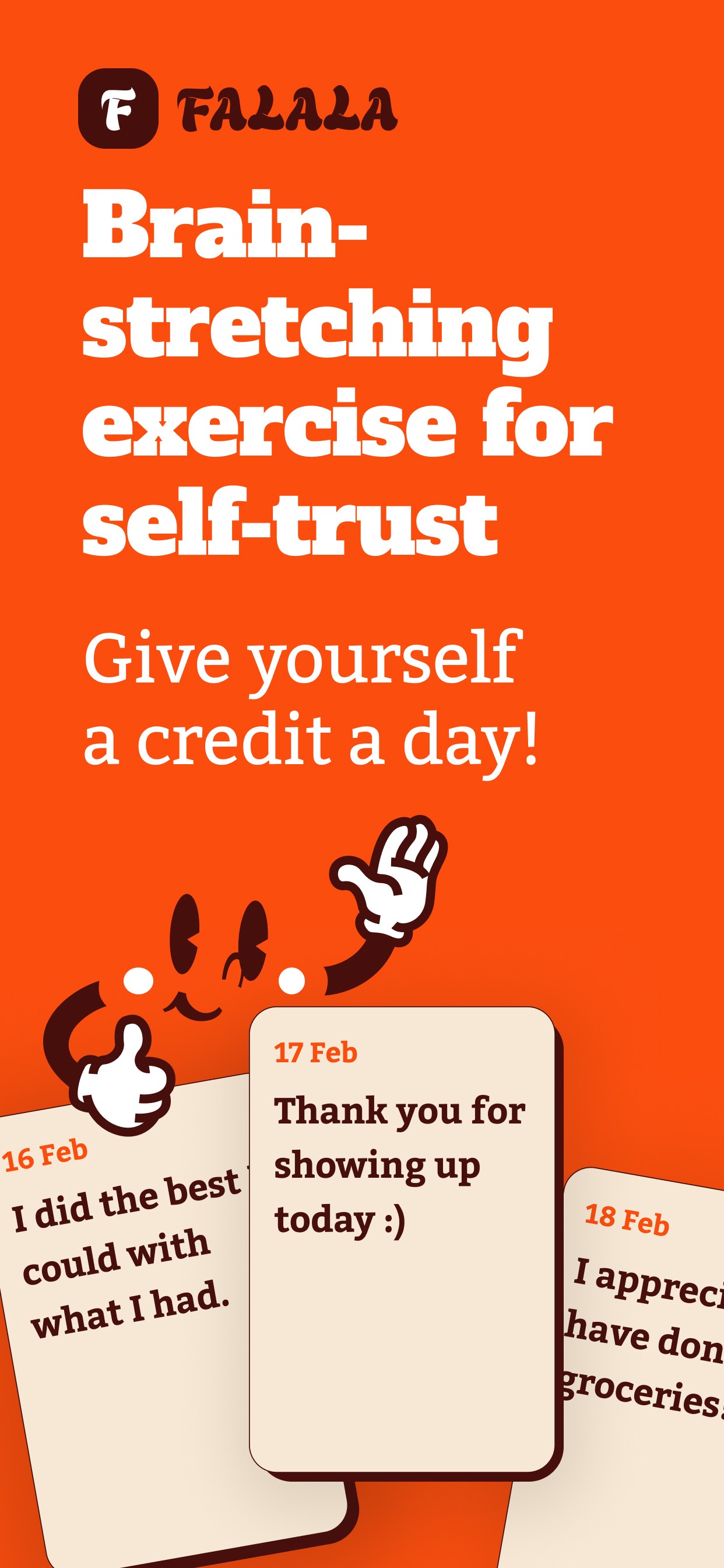
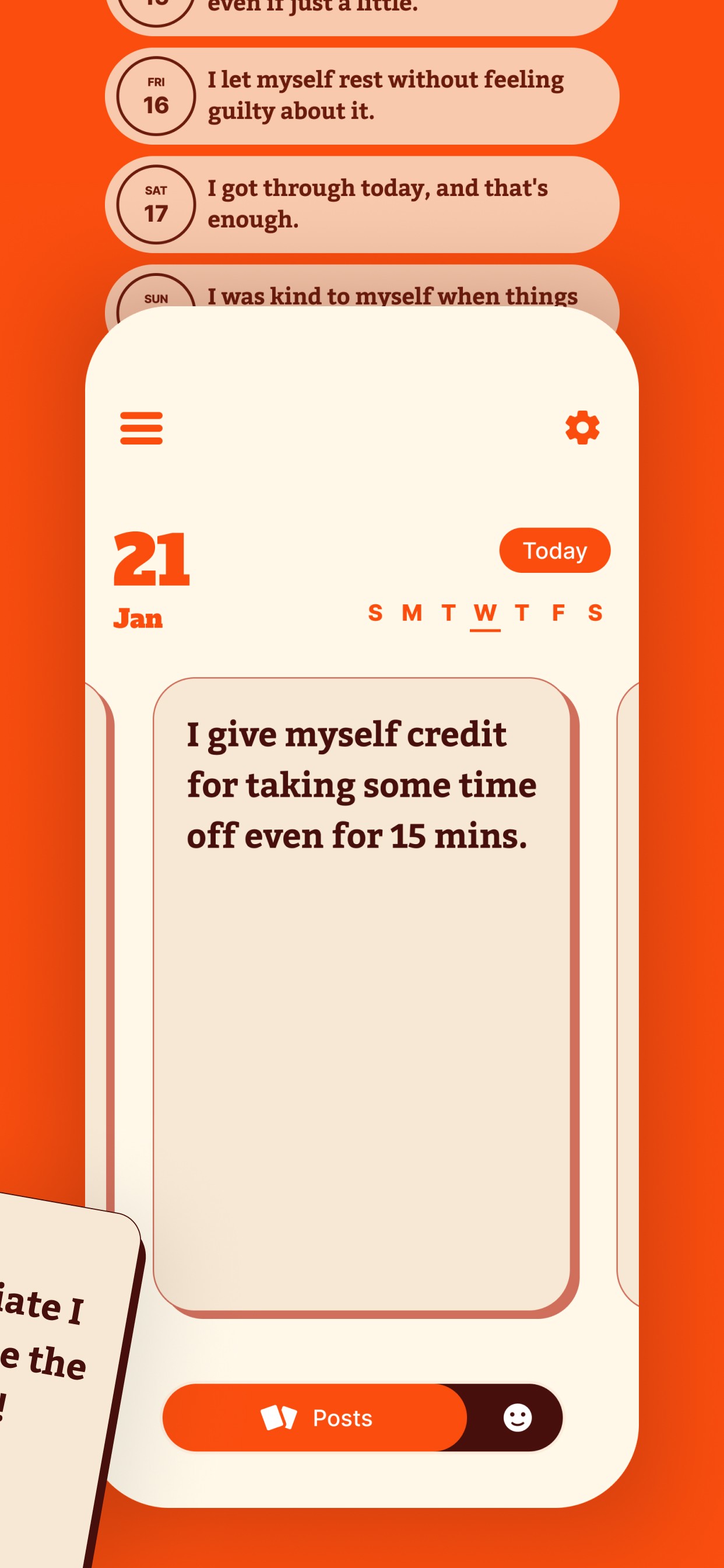
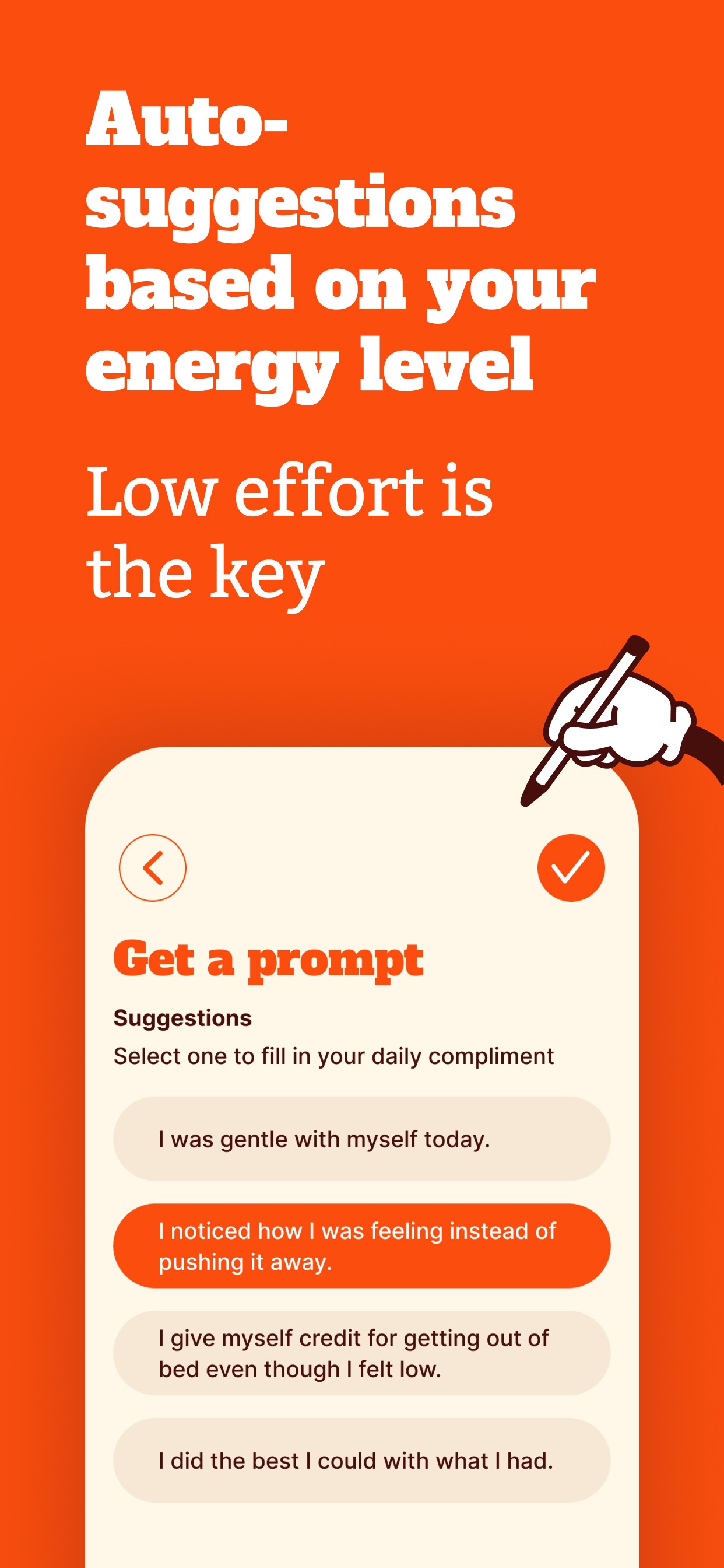
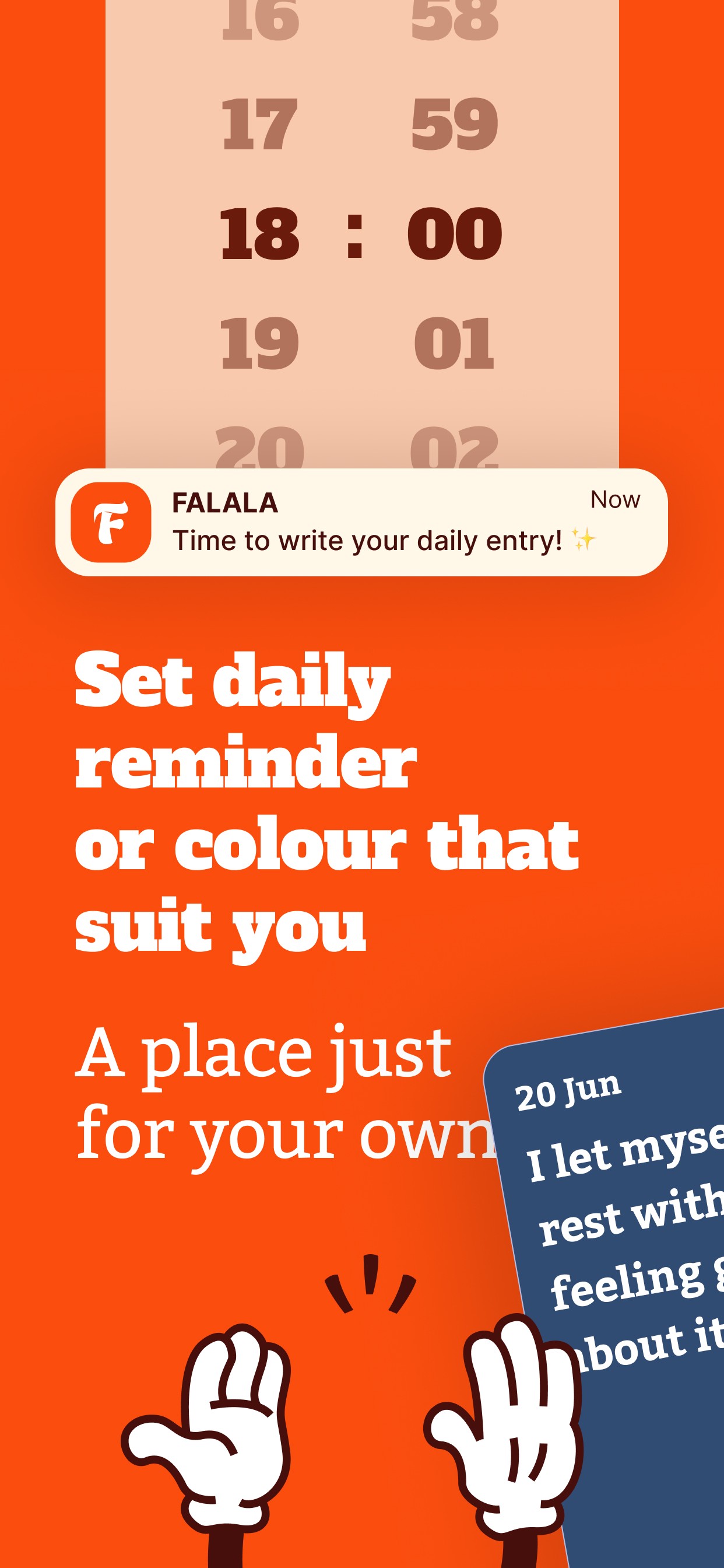
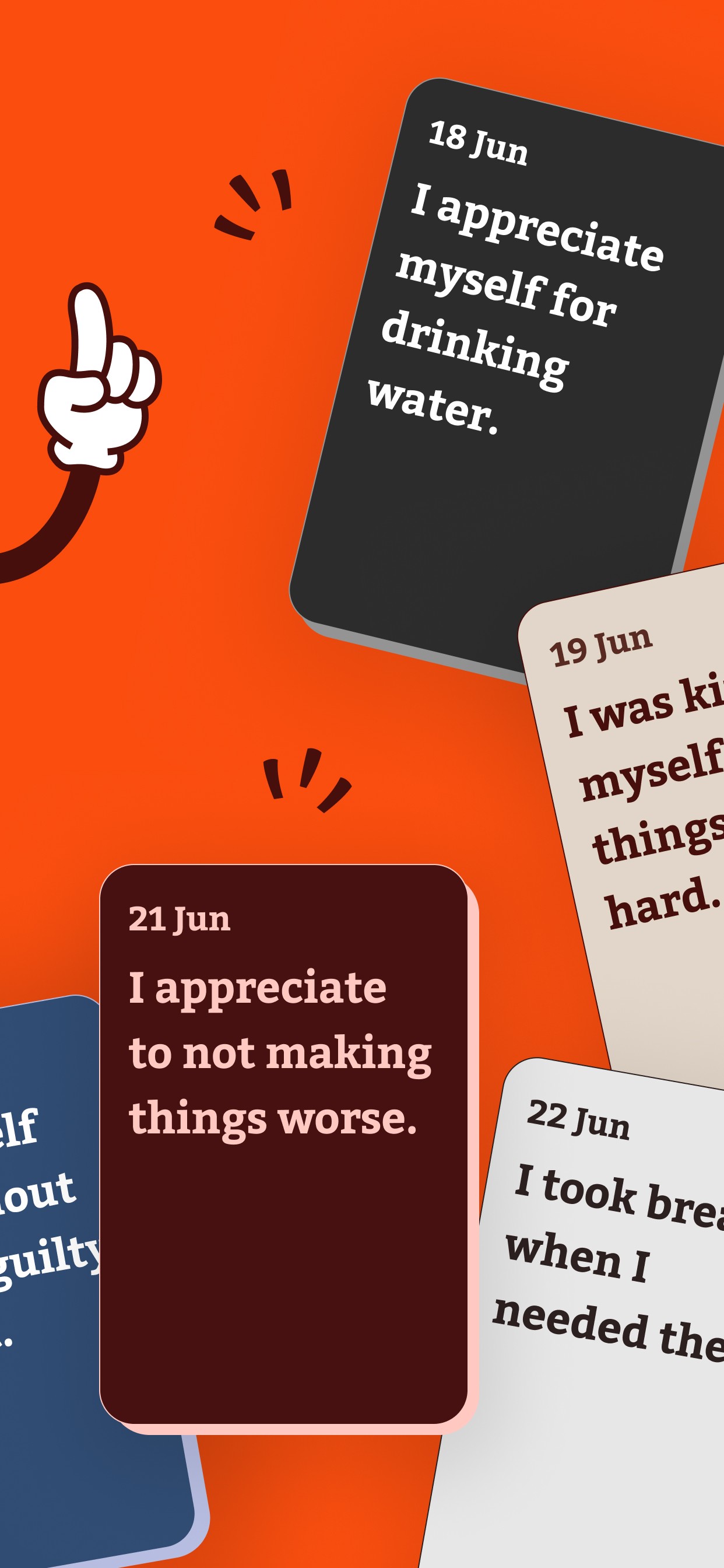
Screens for App Store Preview
My Learnings - Building FALALA with AI
1
Quality without the handover gap
Visual details are always de-prioritised once designs hit the dev pipeline. When designers can touch the codebase directly, you finally close that gap, and have the build actually follows the design.
2
A shared language between designers and developers
Going through what a developer needs: importing design systems, understanding screen logic, handling edge cases…etc., makes handover conversations sharper and more productive for both sides.
3
A better way to sense-check design
AI can prototype quickly, but more valuably, it prototypes realistically, with real interactions, real haptics. That's genuinely useful for validating design decisions, and it's motivating to see your work come to life immediately!
4
Documentation that doesn't drain you
Design docs are essential but time-consuming. AI makes it easy to capture daily progress, design rationale, and library updates in a fraction of the time.
Conclusion
I genuinely enjoyed this experiment and got a lot from it. My one concern is how the industry might reframe design work as speed drops. I believe AI should free up more time for UI craft and animation, the things that make products stand out. The risk is that faster output gets mistaken for lower value, overlooking how much designers contribute through discovery and problem definition, not just delivery.